


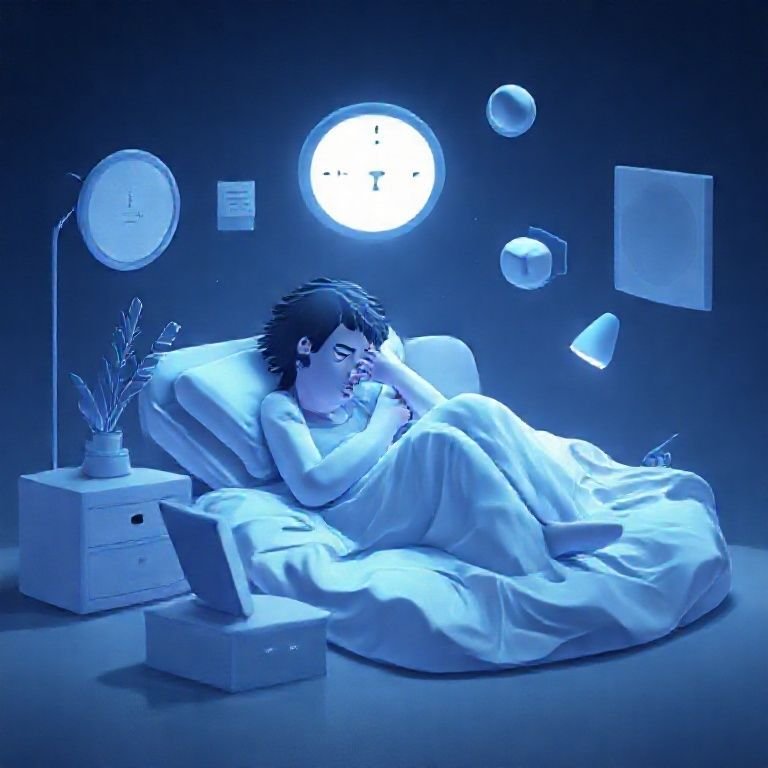
Uncover the hidden reasons behind your constant exhaustion. Learn about the surprising causes of chronic fatigue and practical steps to reclaim your energy.
The Silent Saboteurs: Lifestyle Factors Draining Your Energy
Feeling drained, even after a full night’s sleep, is a familiar lament for many. This persistent lack of energy can significantly impact daily life, often evolving into what is known as chronic fatigue. While the desire to power through is strong, understanding the underlying lifestyle factors that contribute to this exhaustion is the first step toward finding relief. These everyday habits, often overlooked, can quietly deplete your energy reserves.
Sleep Deprivation and Poor Sleep Quality
The cornerstone of energy replenishment is quality sleep. However, modern life often compromises this vital process. Sleep deprivation isn’t just about the quantity of hours; the quality of your sleep profoundly affects how rested you feel. Irregular sleep schedules, late-night screen time exposing you to blue light, and a sub-optimal sleep environment can all disrupt your natural sleep cycles.
When your sleep is consistently fragmented or insufficient, your body misses crucial time for repair and restoration. This leads to a build-up of sleep debt, manifesting as persistent tiredness and difficulty concentrating. Establishing a consistent sleep routine, even on weekends, can make a significant difference in combating chronic fatigue.
Nutritional Deficiencies and Imbalances
Your body is a complex machine, and like any machine, it requires the right fuel to function optimally. A diet lacking in essential nutrients can be a major contributor to feeling tired all the time. Common deficiencies linked to low energy include iron, vitamin D, vitamin B12, and magnesium. Iron is crucial for oxygen transport, while B12 is vital for nerve function and energy production. Magnesium plays a role in hundreds of bodily processes, including energy creation, and vitamin D supports overall vitality.
Beyond specific deficiencies, a diet heavy in processed foods, refined sugars, and unhealthy fats can lead to energy crashes and inflammation. These foods provide quick bursts of energy followed by sharp declines, leaving you feeling more exhausted than before. Prioritizing whole, unprocessed foods like lean proteins, complex carbohydrates, and plenty of fruits and vegetables helps stabilize blood sugar and provide sustained energy.
Chronic Stress and Burnout
In today’s fast-paced world, chronic stress has become an unwelcome companion for many. The physiological toll of sustained stress is immense; it keeps your body in a constant state of “fight or flight,” burning through energy reserves at an alarming rate. When stress becomes chronic, it can lead to adrenal fatigue, a state where your adrenal glands struggle to produce enough hormones to cope, leaving you feeling utterly depleted.
Burnout is the extreme consequence of prolonged, unmanaged stress, often work-related. It’s characterized by emotional exhaustion, cynicism, and a reduced sense of personal accomplishment. Recognizing the signs of chronic stress and burnout is crucial. Implementing stress-reducing techniques such as mindfulness, meditation, deep breathing exercises, and setting healthy boundaries can help your body recover and replenish its energy stores. Learning to say no and prioritizing self-care are not luxuries but necessities for managing chronic fatigue.
Unmasking Medical Conditions Contributing to Chronic Fatigue
While lifestyle choices play a significant role, persistent tiredness can also be a red flag for underlying medical conditions. It’s important not to self-diagnose but to be aware of potential health issues that can manifest as chronic fatigue. Consulting a healthcare professional is essential if lifestyle adjustments don’t alleviate your exhaustion.
Thyroid Dysfunction (Hypothyroidism)
The thyroid gland, a small butterfly-shaped organ in your neck, produces hormones that regulate metabolism. When your thyroid is underactive (hypothyroidism), it doesn’t produce enough of these hormones, leading to a slowdown of many bodily functions. One of the most common symptoms of hypothyroidism is profound fatigue. Other signs can include weight gain, sensitivity to cold, dry skin, hair loss, muscle aches, and depression.
A simple blood test can diagnose thyroid dysfunction. If you suspect your thyroid might be contributing to your chronic fatigue, discussing it with your doctor is vital. Proper medication can restore hormone levels and significantly improve energy.
Anemia
Anemia occurs when your blood lacks healthy red blood cells, which are responsible for carrying oxygen from your lungs to the rest of your body. The most common type is iron-deficiency anemia, often caused by inadequate iron intake, blood loss (e.g., heavy menstruation), or poor iron absorption. Without enough oxygen reaching your tissues and organs, fatigue is an almost inevitable symptom.
Beyond feeling tired, anemia can cause weakness, pale skin, shortness of breath, dizziness, and cold hands and feet. A blood test can easily identify anemia. Treatment often involves dietary changes, iron supplements, and addressing the underlying cause of blood loss.
Autoimmune Diseases and Inflammation
Many autoimmune diseases are characterized by the body’s immune system mistakenly attacking its own healthy tissues, leading to chronic inflammation. This systemic inflammation can be a significant drain on energy. Conditions like lupus, rheumatoid arthritis, celiac disease, and fibromyalgia frequently have chronic fatigue as a primary symptom.
For example, fibromyalgia is often defined by widespread musculoskeletal pain accompanied by fatigue, sleep, memory, and mood issues. The constant battle against inflammation consumes immense energy, leaving individuals feeling perpetually exhausted. Managing these conditions often involves a multi-faceted approach, including medication, diet, and lifestyle adjustments aimed at reducing inflammation and supporting overall health. Understanding the link between inflammation and your level of chronic fatigue is crucial for effective management.
Sleep Disorders Beyond Insomnia
While insomnia, the inability to fall or stay asleep, is a common culprit of tiredness, other sleep disorders can also severely disrupt restful sleep. Sleep apnea, for instance, involves repeated pauses in breathing during sleep, which can occur hundreds of times a night. Each pause briefly rouses the sleeper, preventing deep, restorative sleep, even if they aren’t fully aware of waking. This leads to severe daytime sleepiness and chronic fatigue.
Restless Legs Syndrome (RLS) is another condition that can impair sleep quality. It causes an irresistible urge to move the legs, often accompanied by uncomfortable sensations, particularly in the evening or night. Both sleep apnea and RLS require medical diagnosis and specific treatments to improve sleep quality and alleviate fatigue. If you suspect a sleep disorder, a sleep study might be recommended.
Environmental and Modern-Day Culprits
Our modern environment and daily habits, often taken for granted, can subtly chip away at our energy levels, contributing to chronic fatigue. Understanding these less obvious drains is key to mitigating their impact and reclaiming your vitality.
Digital Overload and Screen Time
In an increasingly connected world, digital devices are ubiquitous. While they offer unparalleled convenience, excessive screen time can have a detrimental effect on our energy. The constant stream of information, notifications, and blue light emitted from screens (especially in the evening) overstimulates the brain, making it difficult to wind down and achieve restorative sleep. This digital overload can lead to mental fatigue, difficulty concentrating, and a feeling of being perpetually “on.”
Implementing a “digital detox” before bedtime can significantly improve sleep quality. Try setting a cut-off time for screens an hour or two before sleep, engaging in relaxing activities like reading a physical book, or listening to calming music instead. Reducing overall screen time throughout the day can also free up mental energy and reduce eye strain, which contributes to overall tiredness.
Lack of Physical Activity (Paradoxically)
It might seem counterintuitive, but a lack of physical activity can actually make you feel more tired. While resting might feel like the logical response to exhaustion, a sedentary lifestyle reduces your body’s stamina and overall energy production. Regular exercise, even moderate amounts, boosts circulation, improves oxygen delivery to your cells, and enhances the efficiency of your cardiovascular system. It also releases endorphins, which have mood-boosting and energizing effects.
Starting an exercise routine can feel daunting when you’re already exhausted. However, even short walks, gentle yoga, or stretching can make a difference. The key is consistency and finding an activity you enjoy. Over time, building up your physical activity levels can significantly combat chronic fatigue and increase your overall energy.
Dehydration and Its Subtle Effects
Often overlooked, mild dehydration can be a sneaky cause of fatigue. Water is essential for almost every bodily function, including regulating body temperature, lubricating joints, delivering nutrients, and removing waste products. When you don’t drink enough water, your blood volume can decrease, making your heart work harder to pump oxygen and nutrients throughout your body. This increased effort can leave you feeling sluggish and tired.
The good news is that dehydration is easily remedied. Aim to drink plenty of water throughout the day, even if you don’t feel thirsty. Keep a water bottle handy and make hydration a conscious habit. Herbal teas, diluted fruit juices, and water-rich foods like fruits and vegetables also contribute to your daily fluid intake. Pay attention to signs like dark urine or infrequent urination, which can indicate you need to drink more.
Tools and Strategies for Battling Chronic Fatigue
Taking a proactive approach to your energy levels involves understanding your body’s unique rhythms and employing effective strategies. From tracking your habits to mind-body practices and smart supplementation, there are many tools at your disposal to fight back against chronic fatigue.
Tracking Your Energy and Habits
One of the most powerful tools for combating chronic fatigue is self-awareness. Keeping a journal or using a dedicated app to track your energy levels, sleep patterns, food intake, and daily activities can reveal surprising insights. You might discover patterns linking certain foods, stress triggers, or lack of sleep to your periods of highest exhaustion.
– Log your wake-up and bedtime, and estimated sleep quality.
– Note your energy levels throughout the day (e.g., on a scale of 1-10).
– Record what you eat and drink, and when.
– Document any physical activity or stressful events.
– This data can be invaluable when discussing your symptoms with a doctor or health coach.
Mind-Body Practices for Resilience
Beyond physical care, nurturing your mental and emotional well-being is critical in managing chronic fatigue. Mind-body practices help regulate your nervous system, reduce stress, and improve your overall capacity for energy.
– Yoga: Combines physical postures, breathing techniques, and meditation to improve flexibility, strength, and mental calm. Certain restorative yoga practices are specifically designed to reduce fatigue.
– Meditation: Even just 10-15 minutes of daily meditation can reduce stress hormones and improve mental clarity, helping to preserve energy.
– Deep Breathing Exercises: Simple practices like diaphragmatic breathing can activate the parasympathetic nervous system, promoting relaxation and reducing the “fight or flight” response that drains energy.
– Tai Chi: A gentle form of exercise that combines slow, deliberate movements with meditation and breathing techniques, known to improve balance, flexibility, and overall well-being.
Nutritional Support and Smart Supplementation
While a balanced diet is paramount, certain supplements can provide targeted support for those battling chronic fatigue, especially if deficiencies are identified. However, always consult with a healthcare professional before starting any new supplement regimen, as some can interact with medications or have contraindications.
– Vitamin D: Crucial for energy, mood, and immune function. Many people are deficient, especially in less sunny climates.
– Vitamin B12: Essential for nerve function and energy metabolism. Particularly important for vegetarians and vegans.
– Magnesium: Involved in over 300 enzymatic reactions, including energy production and muscle function.
– Iron: If diagnosed with iron-deficiency anemia, an iron supplement might be necessary. It’s important to only supplement under medical guidance due to potential risks of excessive iron.
– Coenzyme Q10 (CoQ10): An antioxidant that plays a role in energy production within cells.
Comparison of Energy-Boosting Wellness Gadgets
For those looking to integrate technology into their energy management strategy, various wellness gadgets can provide valuable data and support in combating chronic fatigue. These tools help track key metrics, encouraging better habits and informed decisions.
| Product | Price | Pros | Cons | Best For |
|---|---|---|---|---|
| Smartwatch (e.g., Apple Watch, Galaxy Watch) | $250-$450 | Comprehensive health tracking (HR, sleep stages, activity, SpO2), app ecosystem. | Higher price point, daily charging often required, can be distracting with notifications. | Detailed health insights and integrated smart features for daily wellness. |
| Fitness Tracker (e.g., Fitbit Charge, Garmin Vivosmart) | $80-$180 | Focuses on activity, sleep, and heart rate; good battery life; generally affordable. | Limited smart features, smaller display, less detailed metrics than smartwatches. | Affordable, focused tracking for activity and sleep, good for basic insights. |
| Sleep Tracking Ring (e.g., Oura Ring) | $300-$400 | Highly accurate sleep stage tracking, body temperature, HRV, comfortable for sleep. | Subscription required for full features, doesn’t track activity as comprehensively as a watch. | In-depth sleep analysis, recovery insights, and minimal-hassle wearability. |
| Light Therapy Lamp | $40-$100 | Mimics natural sunlight to regulate circadian rhythm, boosts mood and energy. | Requires consistent daily use, can be bulky, may not be effective for all forms of fatigue. | Addressing seasonal affective disorder (SAD) and regulating sleep-wake cycles. |
Seeking Professional Guidance: When to See a Doctor
If you’ve implemented lifestyle changes and still find yourself battling persistent, debilitating chronic fatigue, it’s crucial to seek professional medical advice. A doctor can help uncover underlying medical conditions and guide you toward an effective treatment plan.
Understanding Diagnostic Tests
When you consult your doctor about chronic fatigue, they will likely start with a thorough medical history and physical examination. They may then recommend a series of diagnostic tests to rule out common medical causes of fatigue.
– Blood tests: These can check for conditions like anemia (Complete Blood Count), thyroid dysfunction (TSH), nutritional deficiencies (Vitamin D, B12, iron studies), and signs of inflammation or infection (CRP, ESR).
– Sleep study: If sleep apnea or other sleep disorders are suspected, a polysomnography (sleep study) might be recommended to monitor your breathing, heart rate, brain activity, and oxygen levels during sleep.
– Other specialized tests: Depending on your symptoms, your doctor might consider tests for autoimmune diseases, kidney or liver function, or other specific conditions.
Developing a Personalized Treatment Plan
Once potential causes for your chronic fatigue are identified, your doctor can help you develop a personalized treatment plan. This plan might involve a combination of approaches:
– Medication: For conditions like hypothyroidism, anemia, or autoimmune diseases, specific medications can manage the underlying illness and alleviate fatigue.
– Dietary adjustments: Working with a dietitian can help address nutritional deficiencies or food sensitivities contributing to your tiredness.
– Lifestyle modifications: Reinforcing and refining strategies for sleep hygiene, stress management, and physical activity.
– Referral to specialists: Your doctor might refer you to a sleep specialist, endocrinologist, rheumatologist, or mental health professional, depending on the diagnosis.
– It’s important to be an active participant in your treatment plan, communicating openly with your healthcare team about what’s working and what isn’t. Remember, addressing chronic fatigue is often a journey that requires patience and persistence.
Battling chronic fatigue can feel overwhelming, but understanding its multifaceted nature is the first step toward regaining your energy and vitality. By addressing lifestyle factors, investigating potential medical conditions, and utilizing modern tools and strategies, you can begin to peel back the layers of exhaustion. Don’t let chronic fatigue dictate your life. Take proactive steps—whether through improved sleep, better nutrition, stress reduction, or seeking professional medical advice—to empower yourself and reclaim the vibrant energy you deserve. Start your journey today; consult with a healthcare professional to explore the hidden reasons behind your exhaustion and embark on a path to sustained well-being.
Frequently Asked Questions (FAQ)
What is the main difference between being tired and chronic fatigue?
Being tired is a normal, temporary state that resolves with rest. Chronic fatigue is persistent, debilitating exhaustion that doesn’t improve with rest, lasts for six months or more, and significantly interferes with daily activities.
Can anxiety or depression cause chronic fatigue?
Yes, anxiety and depression are strongly linked to chronic fatigue. Mental health conditions can disrupt sleep, deplete energy reserves, and affect motivation, leading to persistent feelings of tiredness.
Are there specific foods that can help fight fatigue?
Foods rich in iron (leafy greens, lean meats), B vitamins (whole grains, eggs, legumes), magnesium (nuts, seeds, dark chocolate), and complex carbohydrates (oats, brown rice) can provide sustained energy. Avoiding processed sugars and excessive caffeine is also beneficial.
How much sleep do I really need to avoid chronic fatigue?
Most adults need 7-9 hours of quality sleep per night. However, individual needs can vary. Prioritizing consistent sleep schedules and creating a conducive sleep environment are key to optimizing sleep for energy.
When should I see a doctor for my constant tiredness?
If your fatigue is persistent, severe, unexplained by lifestyle factors, lasts longer than a few weeks, or is accompanied by other concerning symptoms (like unexplained weight changes, pain, or fever), it’s important to consult a doctor.
References and Further Reading
- CDC: Myalgic Encephalomyelitis/Chronic Fatigue Syndrome (ME/CFS)
- Mayo Clinic: Hypothyroidism
- National Institute of Diabetes and Digestive and Kidney Diseases: Celiac Disease
- Sleep Foundation: Sleep Apnea
- Harvard Health Publishing: 8 ways to boost your energy without caffeine
About The Author


