


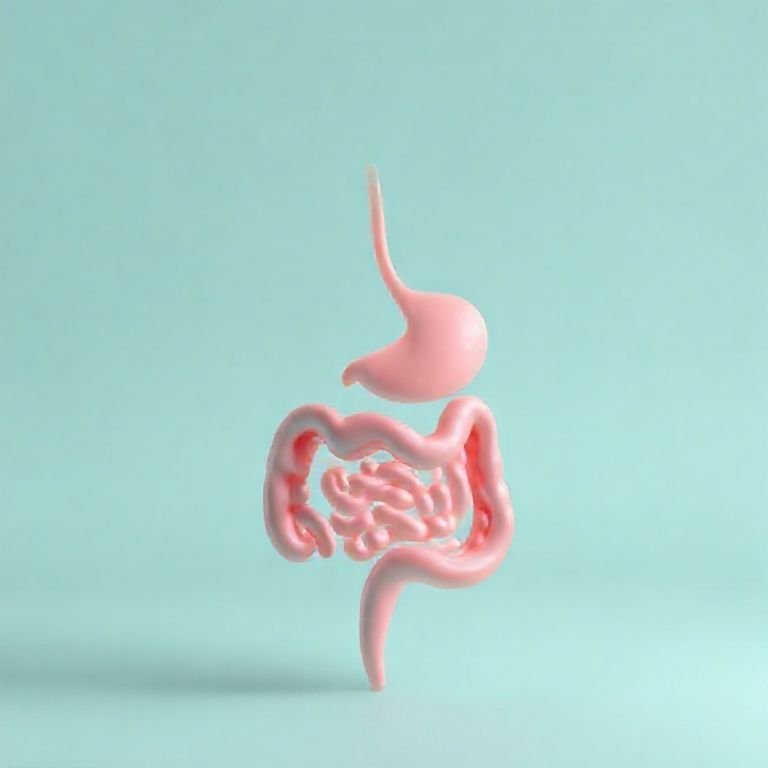
Meta Description: Feeling off? Discover why your gut might be signaling trouble and learn practical, actionable strategies to restore your gut health and reclaim your vitality.
Understanding the Root Causes of an Unhappy Gut
That persistent feeling of being “off” – the bloating, the discomfort, the unpredictable digestion – is often a clear signal from your body that something isn’t quite right with your gut. Far more than just a digestive organ, your gut is a complex ecosystem, a bustling metropolis of trillions of microorganisms known as your microbiome, which profoundly impacts your overall health. Addressing these signals is crucial for restoring optimal gut health.
Poor gut health can manifest in various ways, extending beyond immediate digestive distress. It can influence your mood, energy levels, skin health, and even your immune system. Identifying the underlying causes is the first critical step toward finding effective solutions and experiencing lasting relief.
Common Culprits Behind Digestive Discomfort
Several factors can disrupt the delicate balance within your digestive system. Modern lifestyles, dietary choices, and environmental stressors all play significant roles in contributing to an unhappy gut.
Dietary Imbalances
What you eat directly fuels your gut microbiome. A diet high in processed foods, refined sugars, unhealthy fats, and artificial ingredients can starve beneficial bacteria while promoting the growth of less desirable microbes. This imbalance, known as dysbiosis, is a primary driver of many gut issues. A lack of fiber, essential for feeding good bacteria, also exacerbates the problem.
Chronic Stress
The gut-brain axis is a powerful two-way communication system. When you’re stressed, your brain sends signals that can alter gut motility, increase gut permeability, and change the composition of your microbiome. Chronic stress can literally turn your stomach, leading to symptoms like indigestion, diarrhea, or constipation. Managing stress is a cornerstone of good gut health.
Medication Use
Certain medications, particularly antibiotics, can have a profound impact on your gut. While antibiotics are vital for fighting bacterial infections, they can indiscriminately kill off beneficial gut bacteria alongside harmful ones, leading to dysbiosis. Other medications, like NSAIDs and proton pump inhibitors, can also disrupt the gut lining and digestive processes.
Lack of Sleep and Physical Activity
Sleep deprivation and a sedentary lifestyle can both negatively affect your gut. Poor sleep quality can alter gut flora composition and contribute to increased inflammation. Regular physical activity, on the other hand, has been shown to enhance microbial diversity and promote healthy bowel function. These lifestyle factors are often overlooked but are crucial for maintaining gut health.
Environmental Toxins
Exposure to environmental toxins, such as pesticides in food or chemicals in personal care products, can also impact your gut. These substances can disrupt the gut lining, contribute to inflammation, and interfere with the normal functioning of digestive enzymes. Reducing your toxic load wherever possible supports a healthier internal environment.
The Essential Role of Your Microbiome for Overall Gut Health
Your gut microbiome is a bustling community of bacteria, fungi, viruses, and other microorganisms living primarily in your large intestine. This complex ecosystem, unique to each individual, is not just passively residing within you; it’s an active participant in numerous bodily functions vital for your well-being. Understanding its functions is key to appreciating why gut health is so foundational.
A balanced and diverse microbiome is associated with resilience and optimal health, whereas an imbalanced one can set the stage for various issues, both digestive and systemic. Nurturing this internal garden is one of the most impactful things you can do for your body.
Key Functions of a Healthy Microbiome
The microorganisms in your gut perform a wide array of tasks that extend far beyond digestion. They are integral to your immune system, metabolism, and even cognitive function.
– **Digestion and Nutrient Absorption:** Gut bacteria help break down complex carbohydrates and fibers that your body can’t digest on its own. They produce short-chain fatty acids (SCFAs) like butyrate, which nourish colon cells and support gut barrier integrity. This process also aids in the absorption of essential vitamins and minerals.
– **Immune System Modulation:** A significant portion of your immune system resides in your gut. A healthy microbiome helps train and regulate immune cells, distinguishing between friendly substances and harmful pathogens. It plays a critical role in preventing autoimmune conditions and reducing inflammation throughout the body.
– **Vitamin Synthesis:** Certain gut bacteria are capable of synthesizing important vitamins, including vitamin K and several B vitamins, which are crucial for blood clotting, energy production, and nerve function. This collaboration highlights the symbiotic relationship between you and your microbes.
– **Neurotransmitter Production:** The gut is often called the “second brain” due to its extensive neural network and its ability to produce neurotransmitters. Many gut bacteria produce substances like serotonin and dopamine, which influence mood, sleep, and appetite. This connection explains why gut health can profoundly impact mental well-being.
– **Protection Against Pathogens:** A robust community of beneficial bacteria acts as a natural barrier against harmful pathogens. They compete for resources and space, and some even produce antimicrobial compounds that inhibit the growth of undesirable microbes. This protective layer is essential for preventing infections.
Dietary Strategies: Fueling Your Gut for Success
The most direct way to influence your gut health is through your diet. What you choose to eat, or not eat, can profoundly shape your microbiome and the integrity of your digestive system. Adopting an anti-inflammatory, nutrient-dense approach is fundamental to feeling better.
Think of your gut as a garden; you need to plant the right seeds (probiotics), provide the right fertilizer (prebiotics), and remove the weeds (inflammatory foods) to help it flourish. Small, consistent changes can lead to significant improvements in gut health over time.
Foods to Embrace for a Thriving Microbiome
Incorporating a variety of whole, unprocessed foods is key. Focus on items that are rich in fiber, fermented, and naturally diverse.
– **Fermented Foods:** These are natural sources of beneficial bacteria (probiotics).
– Sauerkraut (unpasteurized)
– Kimchi
– Kefir (dairy or non-dairy)
– Yogurt (plain, unsweetened, with live active cultures)
– Kombucha (low sugar)
– Tempeh and Miso
– **Prebiotic-Rich Foods:** These foods contain fibers that feed your good gut bacteria.
– Garlic
– Onions
– Leeks
– Asparagus
– Bananas (slightly green)
– Oats (rolled or steel-cut)
– Apples
– Flaxseeds
– Chicory root
– **High-Fiber Vegetables and Fruits:** A diverse range provides different types of fiber for various gut bacteria. Aim for a rainbow of colors.
– Leafy greens (spinach, kale)
– Cruciferous vegetables (broccoli, cauliflower, Brussels sprouts)
– Berries
– Legumes (lentils, chickpeas – if tolerated)
– Root vegetables (sweet potatoes, carrots)
– **Healthy Fats:** Essential for reducing inflammation and supporting cell health.
– Avocados
– Olive oil (extra virgin)
– Fatty fish (salmon, mackerel)
– Nuts and seeds (almonds, walnuts, chia seeds)
– **Bone Broth:** Rich in collagen and amino acids like glutamine, which can help repair the gut lining and reduce inflammation.
Foods to Limit or Avoid for Optimal Gut Health
Just as important as what you add to your diet is what you remove. Certain foods can trigger inflammation, feed harmful bacteria, and disrupt the gut barrier.
– **Processed Foods:** Often high in unhealthy fats, sugar, and artificial ingredients. These lack fiber and nutrients while promoting dysbiosis.
– **Refined Sugars and Artificial Sweeteners:** Sugar feeds pathogenic bacteria and yeasts, while artificial sweeteners can negatively impact the microbiome composition.
– **Unhealthy Fats:** Trans fats and excessive amounts of omega-6 fatty acids (found in many vegetable oils like corn and soybean oil) can promote inflammation.
– **Excessive Alcohol:** Can irritate the gut lining, alter the microbiome, and impair nutrient absorption.
– **Gluten and Dairy (for some individuals):** While not universally bad, many people experience gut symptoms from gluten and/or dairy due to sensitivities or intolerances. An elimination diet under guidance can help identify personal triggers.
– **Artificial Additives and Preservatives:** These can directly impact gut bacteria and gut barrier function.
Lifestyle Changes That Transform Your Gut Health
While diet plays a monumental role, true gut health optimization requires a holistic approach that incorporates crucial lifestyle adjustments. These habits work synergistically with your dietary efforts to create a resilient and balanced internal environment. Neglecting these areas can undermine even the best eating plans.
Remember, the body works as an integrated system. Your gut doesn’t exist in isolation; it’s intricately connected to your brain, immune system, and overall well-being. Addressing factors like stress, sleep, and movement is therefore paramount for sustainable gut health improvements.
Mind-Body Connection: Stress Management Techniques
The profound link between your brain and gut, the ‘gut-brain axis,’ means that stress directly impacts digestive function. Chronic stress can lead to increased gut permeability (“leaky gut”), alter gut motility, and modify your microbiome composition. Implementing stress-reducing practices is not optional; it’s essential for a calm and healthy gut.
– **Mindfulness and Meditation:** Regular practice can lower cortisol levels, promote relaxation, and positively influence gut motility. Even 10-15 minutes a day can make a difference.
– **Deep Breathing Exercises:** Simple diaphragmatic breathing can activate the vagus nerve, which connects the brain and gut, promoting a “rest and digest” state.
– **Yoga and Tai Chi:** These practices combine physical movement with breathwork and meditation, offering a comprehensive approach to stress reduction.
– **Spending Time in Nature:** Engaging with green spaces has been shown to reduce stress hormones and improve mood, indirectly benefiting gut function.
– **Journaling:** Writing down thoughts and feelings can help process emotions and reduce mental clutter, alleviating stress.
The Power of Quality Sleep for Gut Health
Sleep is a period of repair and restoration for your entire body, including your gut. Disruptions in sleep patterns can negatively impact your circadian rhythm, which in turn influences the rhythm and composition of your gut microbiome. Aim for 7-9 hours of quality sleep each night.
– **Consistent Sleep Schedule:** Going to bed and waking up at the same time each day, even on weekends, helps regulate your body’s internal clock.
– **Optimize Your Sleep Environment:** Ensure your bedroom is dark, quiet, and cool. Remove electronics that emit blue light before bed.
– **Establish a Relaxing Bedtime Routine:** This could include a warm bath, reading a book, or gentle stretching.
– **Avoid Caffeine and Heavy Meals Before Bed:** These can interfere with sleep onset and quality, impacting your gut’s ability to rest and repair.
Movement and Exercise: A Gut-Friendly Habit
Regular physical activity has been shown to increase the diversity of the gut microbiome, improve gut motility, and reduce inflammation. It’s not about extreme workouts but consistent, moderate movement.
– **Daily Walking:** Even a brisk 30-minute walk each day can have significant benefits for digestion and overall gut health.
– **Strength Training:** Builds muscle, which supports metabolism and overall well-being, indirectly aiding gut function.
– **Gentle Movement:** Activities like stretching, Pilates, or swimming are excellent for promoting circulation and reducing stiffness, which can aid digestive flow.
– **Avoid Prolonged Sitting:** Break up long periods of sitting with short walks or stretches to keep things moving in your digestive tract.
Advanced Solutions and Testing for Deep Gut Health Insights
Sometimes, despite diligent dietary and lifestyle changes, gut issues persist. In these cases, a deeper dive into the specific dynamics of your gut microbiome and digestive function can provide invaluable insights. Advanced testing and targeted interventions offer a more personalized approach to restoring gut health.
Working with a qualified healthcare professional who specializes in gut health, such as a functional medicine doctor, naturopath, or registered dietitian, can help interpret results and guide you through complex protocols. These advanced solutions move beyond generalized advice to address your unique physiological needs.
Understanding Gut Testing Options
Various tests can help uncover imbalances, infections, or other issues contributing to your gut symptoms. These tests provide a detailed snapshot of what’s happening inside your digestive system.
– **Stool Microbiome Analysis:** This test uses DNA sequencing to identify the types and relative abundance of bacteria, fungi, and other microorganisms in your stool. It can reveal dysbiosis, identify specific pathogens, and assess overall microbial diversity.
– **Digestive Function Markers:** Stool tests can also assess markers like pancreatic elastase (for enzyme production), calprotectin (for inflammation), and zonulin (for gut permeability or “leaky gut”).
– **SIBO (Small Intestinal Bacterial Overgrowth) Breath Test:** This test measures hydrogen and methane gases produced by bacteria in the small intestine. Elevated levels can indicate bacterial overgrowth in an area where they shouldn’t be abundant.
– **Food Sensitivity Testing:** While controversial and often not as reliable as an elimination diet, some tests (e.g., IgG antibody tests) aim to identify foods that might be causing an immune reaction or inflammation in your gut. These should always be interpreted with caution and clinical correlation.
– **Organic Acids Test (OAT):** A urine test that can provide insights into yeast and bacterial overgrowth, nutrient deficiencies, and neurotransmitter levels by measuring metabolic byproducts.
Comparison of Gut Health Testing Kits
For those looking to explore their gut health from home, several direct-to-consumer testing kits have emerged. While they offer convenience, it’s important to understand their scope and limitations.
| Product | Price | Pros | Cons | Best For |
|---|---|---|---|---|
| Viome Gut Intelligence Test | $149 – $249 | Provides highly personalized food recommendations based on RNA sequencing of active microbes. Offers a “Metabolic & Cellular Intelligence” upgrade. | Can be expensive; recommendations require consistent adherence for results. | Individuals seeking precise, actionable dietary guidance based on their unique microbiome. |
| Thryve Gut Health Program | $129 – $179 | Analyzes gut microbiome via DNA sequencing and suggests specific probiotic strains and dietary changes. Includes a detailed report and health coaches. | Requires subscription for ongoing insights and probiotic supplements. | Those wanting guidance on probiotic supplementation and personalized dietary advice. |
| Ombre Gut Health Test | $99 – $189 | Offers DNA sequencing to identify beneficial vs. harmful bacteria. Provides diet and lifestyle recommendations, and personalized probiotic blends. | The probiotic blends are an additional cost; scientific rigor behind specific blends varies. | People interested in a baseline assessment of their gut bacteria and a tailored probiotic plan. |
Targeted Supplementation and Therapies
Once specific imbalances are identified, targeted supplementation and therapeutic approaches can accelerate healing and restore gut health. This is where professional guidance is particularly valuable.
– **Probiotics and Prebiotics:** Specific strains of probiotics can address issues like SIBO, IBS, or dysbiosis. Prebiotic fibers specifically feed beneficial bacteria.
– **Digestive Enzymes:** If enzyme production is low, supplementation can aid in breaking down food, reducing symptoms like bloating and indigestion.
– **L-Glutamine:** An amino acid crucial for gut lining integrity, L-Glutamine can help repair a “leaky gut” and reduce inflammation.
– **Herbal Antimicrobials:** For cases of bacterial or fungal overgrowth (like SIBO or Candida), specific herbs (e.g., berberine, oregano oil) can be used under professional supervision.
– **Acupuncture and Osteopathy:** These complementary therapies can help improve digestive function by stimulating the nervous system, reducing stress, and enhancing gut motility.
Building a Resilient Gut: Sustaining Long-Term Wellness
Restoring your gut health is a journey, not a destination. Once you’ve addressed immediate issues and started feeling better, the next step is to adopt sustainable practices that maintain your gut’s resilience and support your overall well-being for the long haul. This involves consistent effort and a continuous commitment to a gut-friendly lifestyle.
The goal is to cultivate a robust and diverse microbiome that can withstand occasional stressors and adapt to life’s challenges. By integrating these strategies into your daily routine, you empower your body to thrive from the inside out.
Prioritizing Diversity in Your Diet
The cornerstone of a healthy, resilient gut is dietary diversity. A wide variety of plant foods ensures you’re feeding different strains of beneficial bacteria, which in turn leads to a more robust and adaptable microbiome. Aim to eat 30 different plant foods per week, including fruits, vegetables, nuts, seeds, legumes, and whole grains.
– **Rotate Your Foods:** Don’t eat the same things every day. Introduce new fruits, vegetables, and whole grains regularly.
– **Explore Global Cuisines:** Many traditional diets from around the world are rich in diverse plant foods and fermented items.
– **Grow Your Own:** If possible, gardening exposes you to beneficial soil microbes, which can subtly enrich your own microbiome.
Consistent Hydration and Movement
Adequate water intake is essential for digestive regularity, nutrient absorption, and maintaining the mucosal lining of the gut. Aim for at least 8 glasses of water daily, more if you’re active or in a hot climate. Combined with regular, gentle movement, hydration ensures efficient waste removal and proper gut function.
– **Start Your Day with Water:** A glass of water upon waking can help stimulate bowel movements.
– **Incorporate Electrolytes (if needed):** For intense activity, consider natural electrolyte sources like coconut water or a pinch of sea salt in your water.
– **Walk After Meals:** A short, leisurely walk after eating can aid digestion and prevent post-meal sluggishness.
Listening to Your Body’s Signals
Your gut is constantly communicating with you. Learning to interpret its signals is vital for long-term gut health. Pay attention to how different foods make you feel, notice patterns in your digestion, and acknowledge physical sensations. This self-awareness empowers you to make intuitive choices that support your body.
– **Food Diary:** Temporarily tracking your food intake and symptoms can help identify personal triggers or foods that promote well-being.
– **Mindful Eating:** Eating slowly, chewing thoroughly, and being present during meals improves digestion and allows your body to register fullness cues more effectively.
– **Adjust as Needed:** Your gut’s needs can change over time due to stress, travel, or aging. Be flexible and willing to adapt your approach.
Continuous Learning and Seeking Support
The science of gut health is constantly evolving. Staying informed through reputable sources and being open to new information can help you refine your strategies. Don’t hesitate to seek ongoing support from healthcare professionals, especially if new symptoms arise or if you feel your current approach isn’t yielding results. A collaborative approach ensures you have the best guidance for your continued wellness journey.
Taking control of your gut health is one of the most empowering steps you can take for your overall well-being. By understanding the intricate connections within your body and consistently applying these practical strategies, you can move beyond the bloat and embrace a life filled with vitality and comfort. It’s a continuous journey of learning and adaptation, but one that promises profound rewards.
Ready to embark on your personalized gut health transformation? Start by implementing one small change today – perhaps adding a fermented food to your diet or dedicating 15 minutes to mindful breathing. Explore our other articles on holistic wellness for more tips, or consider consulting a functional medicine practitioner to craft a tailored plan that addresses your unique needs and helps you unlock your body’s full potential.
Frequently Asked Questions (FAQ)
How long does it take to improve gut health?
Significant improvements in gut health can often be noticed within a few weeks to a few months of consistent dietary and lifestyle changes. However, full restoration and lasting balance can take six months to a year, depending on the severity of the initial issues and individual consistency.
What are the best probiotics to take?
The “best” probiotic depends on your specific needs. Look for multi-strain probiotics with a high CFU count (billions). Specific strains like Lactobacillus plantarum, Bifidobacterium lactis, and Saccharomyces boulardii are well-researched for various conditions. Consulting a healthcare professional can help you choose the most appropriate strain for your symptoms.
Can stress really affect my gut?
Absolutely. The gut-brain axis is a direct communication pathway. Stress can alter gut motility, increase gut permeability (leading to “leaky gut”), and change the composition of your gut microbiome, contributing to symptoms like bloating, constipation, or diarrhea. Managing stress is crucial for gut health.
Are gut health supplements necessary?
Supplements are not always necessary but can be beneficial, especially if dietary changes alone aren’t enough or if there are specific deficiencies or imbalances. Probiotics, prebiotics, digestive enzymes, and L-glutamine are common supplements. Always consult with a healthcare provider before starting any new supplement regimen.
What are common signs of an unhealthy gut?
Common signs include chronic bloating, gas, abdominal pain, constipation or diarrhea, acid reflux, food intolerances, skin issues (like acne or eczema), fatigue, mood swings, and frequent infections. These symptoms indicate an imbalance that needs addressing.
References and Further Reading
- The Gut Microbiome and Its Role in Health and Disease – National Institutes of Health
- The Nutrition Source: The Microbiome – Harvard T.H. Chan School of Public Health
- Mayo Clinic: Gut Health: What Is It and How Can I Improve It?
- Prebiotics: Are they beneficial for you? – Harvard Health Publishing
- American Gastroenterological Association: Small Intestinal Bacterial Overgrowth (SIBO)
About The Author


